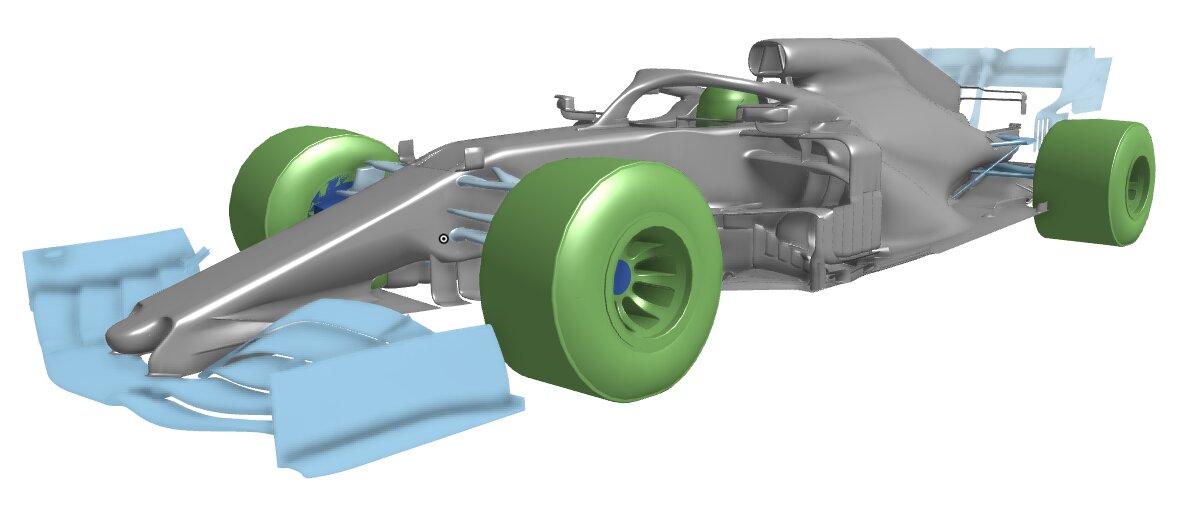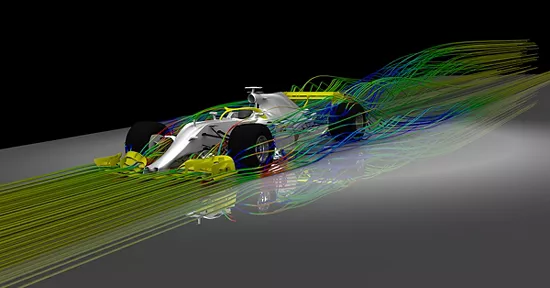
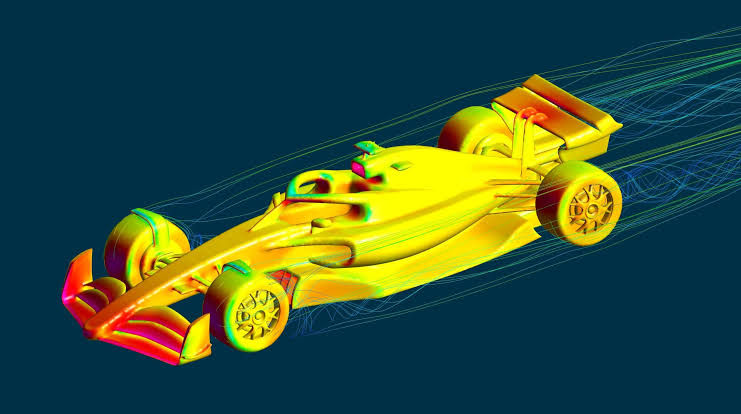
In the world of motorsport, physics is both our greatest ally and our most relentless opponent. When designing a race car, one of the most constant battles our engineering team faces happens invisibly in the air around us: the trade-off between downforce and drag. It is the ultimate engineering compromise, and getting it right is often the difference between setting a fastest lap and falling behind the pack.
To understand this balancing act, you first have to understand downforce. Imagine driving down the highway and sticking your flat hand out the window. If you tilt the front edge of your hand downward, the rushing air catches it and pushes your arm toward the ground. Our race car’s front and rear wings do the exact same thing on a heavily engineered scale. By shaping our aero package to push the chassis into the tarmac, we artificially increase the tires’ grip. More grip means the car can brake later, turn sharper, and carry significantly more speed through the corners without sliding off the track.
However, physics demands a tax for all that extra grip, and that tax is paid in drag. Drag is the aerodynamic resistance the car experiences as it punches a hole through the air. The more aggressively we angle our wings to generate downforce, the more of a “parachute” effect we create. While heavy downforce makes the car an absolute weapon in the corners, it severely penalizes the car’s top speed on the straightaways and forces the motor to work much harder to maintain momentum.
This means there is no universally “perfect” aerodynamic setup for a race car—only the perfect setup for a specific track. If we are racing on a circuit with long straightaways and sweeping turns, we will “trim out” the aero, flattening the wings to reduce drag and maximize top speed. Conversely, if we are tackling a tight, twisty circuit with heavy braking zones, we will crank up the wing angles to maximize cornering grip, sacrificing our straight-line speed in the process.
Ultimately, the goal of our aerodynamics team isn’t just to create the most downforce possible; it is to create the most efficient downforce, finding the precise sweet spot where cornering speed and straight-line performance perfectly balance out.